
Engineering Services
Industrial Ventilation Solutions Designed Around Your Facility
Effective industrial ventilation starts with understanding your building, your processes and the challenges you need to overcome.
From managing heat build-up and improving indoor air quality to extracting airborne contaminants and maintaining effective air movement, every industrial facility has its own ventilation requirements.
At Inergy Group, we take an application-led approach to industrial ventilation, helping businesses identify solutions that meet the demands of their environment, support workplace conditions and work efficiently within their operations.
Whether you’re upgrading an existing system, addressing a specific ventilation challenge or planning a new facility, our team can help you explore the right approach for your building.
The right ventilation solution starts with understanding what your facility needs.
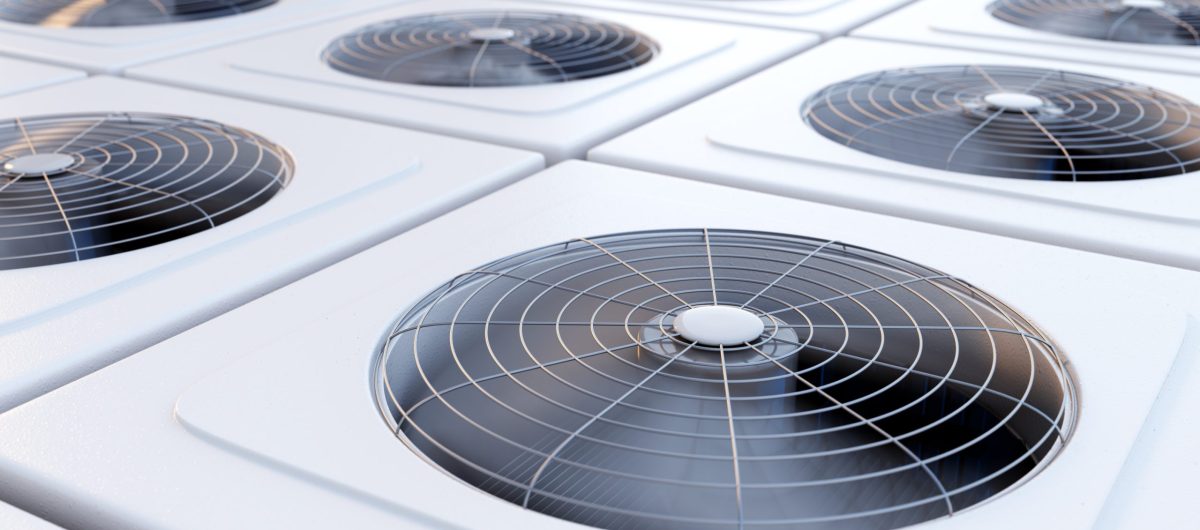
Every Industrial Environment Has Different Ventilation Requirements
Industrial ventilation is about more than simply moving air. It requires an understanding of how your building operates, the processes taking place within it and the conditions you need to maintain.
Depending on your facility, you may need to address:
Heat build-up
Managing excess heat generated by machinery, production processes and equipment.
Indoor air quality
Improving the movement of fresh air and helping manage airborne pollutants.
Dust, fumes and vapours
Identifying appropriate extraction and ventilation strategies for process-generated contaminants.
Workplace conditions
Supporting a more comfortable working environment for employees.
Energy efficiency
Exploring ways to achieve effective ventilation without unnecessary energy consumption.
Existing system performance
Assessing whether your current ventilation arrangements remain suitable for your building and operational requirements.
Whether it’s a single-unit repair or an estate-wide assessment, you can rely on our engineers to deliver fast, practical solutions.
Local Exhaust Ventilation (LEV)
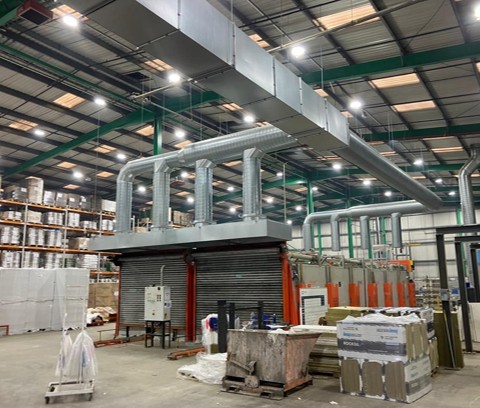
LEV may be used as part of a wider ventilation system or as a focused installation of its own. Extraction is taken care of at the point contaminants are created though extraction hoods, downdraft benches, or other systems.
LEV is used when the quantity or nature of the contaminants produced are such that it must be removed immediately. As a result, LEV systems also tend to incorporate heavy-duty filtration systems to ensure exhaust air is as clean as possible.
Our Case Studies
Local Extraction & Ventilation for a Manufacturer
Designed and installed dual HVAC systems to improve air quality in a high-particulate production facility, including LEV and roof-mounted extract systems.
Local Extraction & Ventilation for Textiles
Delivered a future-proof stainless-steel ducted ventilation solution to replace an outdated system in a large textile and flooring factory.
LEV Testing
In the situations in which LEV is typically used, it’s essential that the system continues to function perfectly whenever the work area affected is in use. As part of our commitment to the lifecycle of all HVAC systems, we incorporate LEV testing where appropriate in ongoing ventilation maintenance.
The right approach depends on your specific application. By understanding these requirements from the outset, we can help identify a solution that balances ventilation performance, operational demands and energy efficiency.
An Engineering-Led Approach to Industrial Ventilation
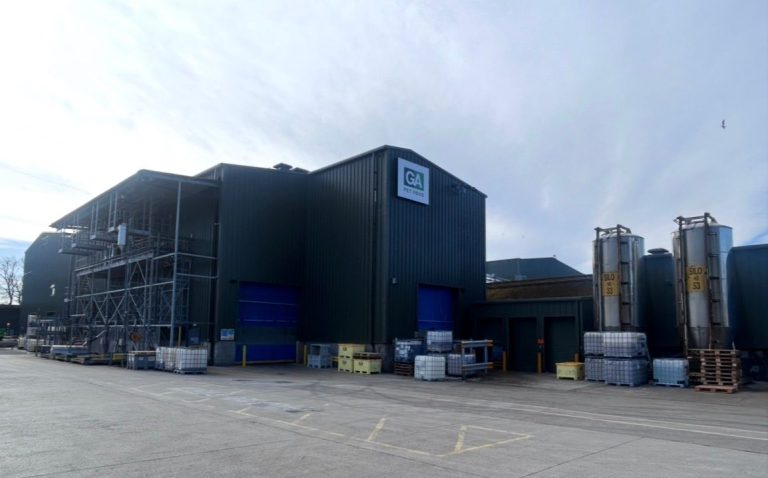
No two industrial facilities are exactly alike. Building layouts, production processes, occupancy levels and operating conditions all influence the ventilation requirements of a space.
At Inergy Group, we look beyond individual products to understand the wider requirements of your facility. Our approach considers how ventilation can work alongside your existing building systems, support your operational priorities and contribute to long-term efficiency. As well as design and installation, we’re experienced in commercial HVAC service and maintenance.
From initial discussions and system design through to installation and ongoing maintenance, we work with you to identify an approach that is appropriate for your building and its intended use.
Our focus is simple: understanding your requirements and delivering practical, efficient engineering solutions that work for your facility.
Sustainability and Ventilation
Growing environmental awareness drives demand for highly efficient ventilation systems with minimal carbon footprints. Heat recovery technology, efficient components, and smart controls all contribute to reduced energy consumption and environmental impact.
Life cycle assessment considers the environmental impact of manufacturing, installation, operation, and disposal. Sustainable design specifies components with low embodied carbon, high durability, and recyclability at end of life. At Inergy Group we understand that industrial decarbonisation is a priority for many businesses.
Who We Work With
Our ventilation services are delivered to:
Industrial Ventilation FAQs
How Often Should Industrial HVAC Systems be Serviced?
We recommend servicing commercial HVAC and ventilation systems at least annually, with more frequent maintenance for manufacturing plants or workshops with high air particulate output
Regular servicing improves system efficiency, reduces running costs, and helps prevent breakdowns. It also supports compliance with workplace safety and air quality regulations.
How Do You Ventilate Windowless Rooms?
Windowless rooms require mechanical ventilation systems with a dedicated external air supply and exhaust ducts. They also often require more rigorous temperature management.
How do you Calculate Ventilation Requirements?
Industrial applications have complex requirements. Heat-generating processes may need many more air changes per hour to maintain comfortable temperatures. Dust-generating operations might require specific capture velocities at source points. Chemical processes need ventilation rates based on toxicity levels and exposure limits.
Undersized systems cannot maintain air quality standards whilst oversized systems waste energy and money. The calculation process starts with building occupancy, usage patterns, and regulatory requirements.
What Regulations and Standards Apply to Commercial Ventilation in the UK?
Commercial ventilation installations must comply with multiple regulations and standards.
Building Regulations Part F sets minimum ventilation requirements for different building types
BS EN 13779 provides detailed guidance for non-residential building ventilation design
The Health and Safety at Work Act requires employers to provide adequate workplace ventilation
Installation requires skilled technicians with relevant qualifications and experience. Gas Safe registration is required for work involving gas heating systems. Electrical work must comply with BS 7671 wiring regulations. F-Gas certification is necessary for refrigeration work on air conditioning systems.
Now looking for the right Industrial Ventilation Solution?
Whether you’re planning a new installation, upgrading an existing system or looking to resolve a ventilation challenge within your facility, Inergy Group can help you explore the options.
Talk to our team about your building, your operational requirements and the improvements you’re looking to achieve.